
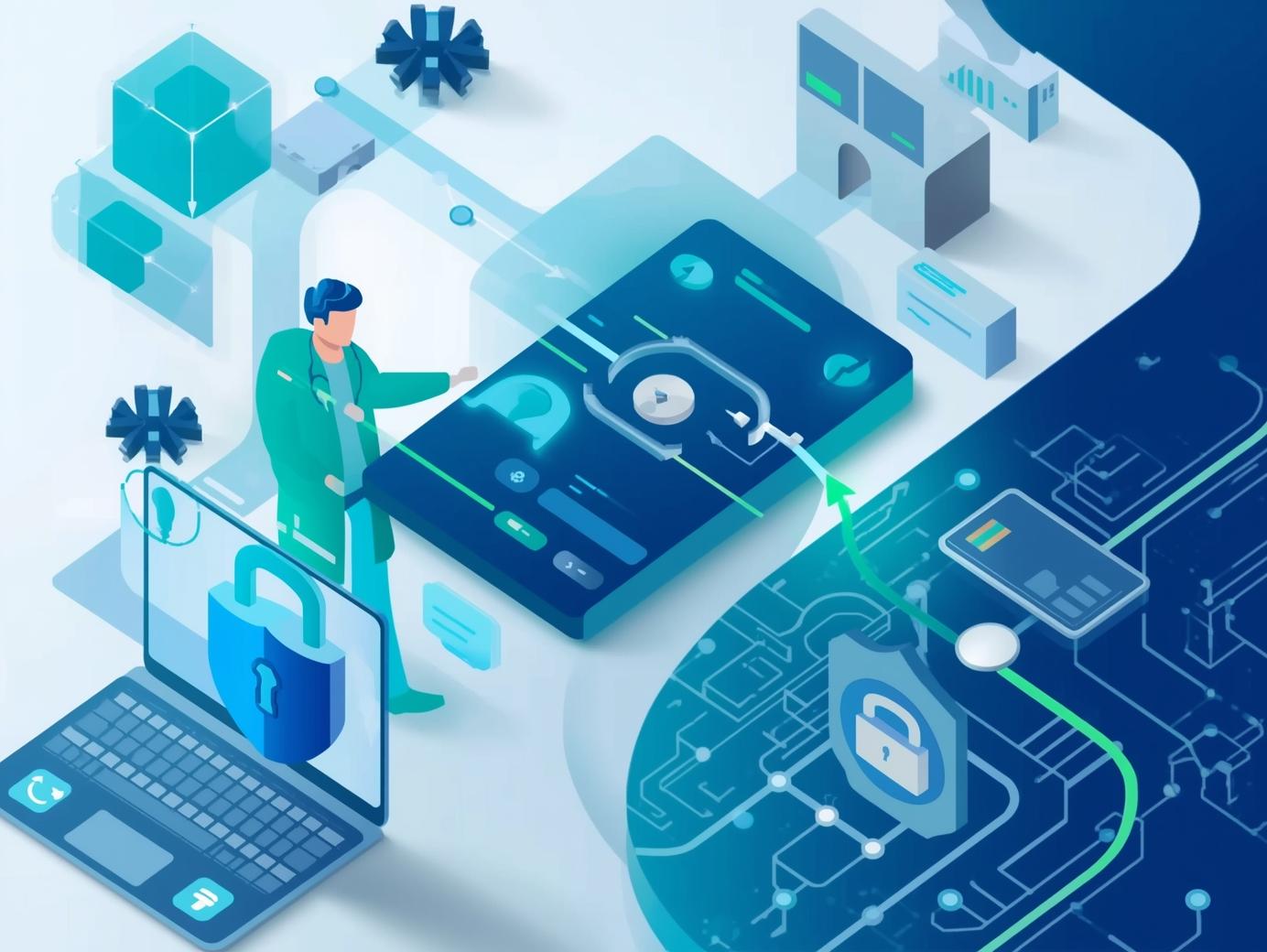
A Complete Guide to Video Platform Security & Patient Data Protection
Introduction
Telemedicine has transformed healthcare delivery by enabling virtual consultations, remote monitoring, and digital prescriptions. From hospitals and diagnostic centers to independent practitioners, telehealth platforms are now a core part of modern healthcare.
However, this rapid digital adoption has also made telemedicine platforms a prime target for cyberattacks. Data breaches, ransomware incidents, insecure video conferencing, and regulatory non-compliance can compromise sensitive patient information and damage institutional trust.
In this blog, we explore how to secure telemedicine platforms against emerging threats, with a strong focus on video platform security and healthcare data protection.
Why Telemedicine Security Is More Critical Than Ever
Telemedicine systems handle highly sensitive information such as:
-
Patient health records (EHR/PHR)
-
Diagnostic reports and prescriptions
-
Live video consultations
-
Billing and insurance data
Any breach in these systems can lead to:
-
Legal penalties under HIPAA, DPDPA, GDPR, or similar regulations
-
Financial losses due to ransomware or downtime
-
Reputation damage and loss of patient trust
That’s why cybersecurity for telemedicine is no longer optional — it is a business and ethical necessity.
Common Cyber Threats Facing Telemedicine Platforms
Understanding the threat landscape is the first step toward protection.
1. Data Breaches & Unauthorized Access
Weak authentication, poor access controls, and unpatched systems can expose patient data to hackers.
2. Ransomware Attacks on Healthcare
Ransomware groups increasingly target hospitals and telehealth platforms, encrypting patient records and demanding large payouts.
3. Insecure Video Conferencing
Without proper encryption and access controls, video consultations can be intercepted, recorded, or hijacked.
4. Phishing & Social Engineering
Doctors, nurses, and admin staff are often targeted through phishing emails that steal login credentials.
5. Third-Party Vendor Risks
Telemedicine relies on cloud providers, video APIs, and device vendors — each can become a weak link.
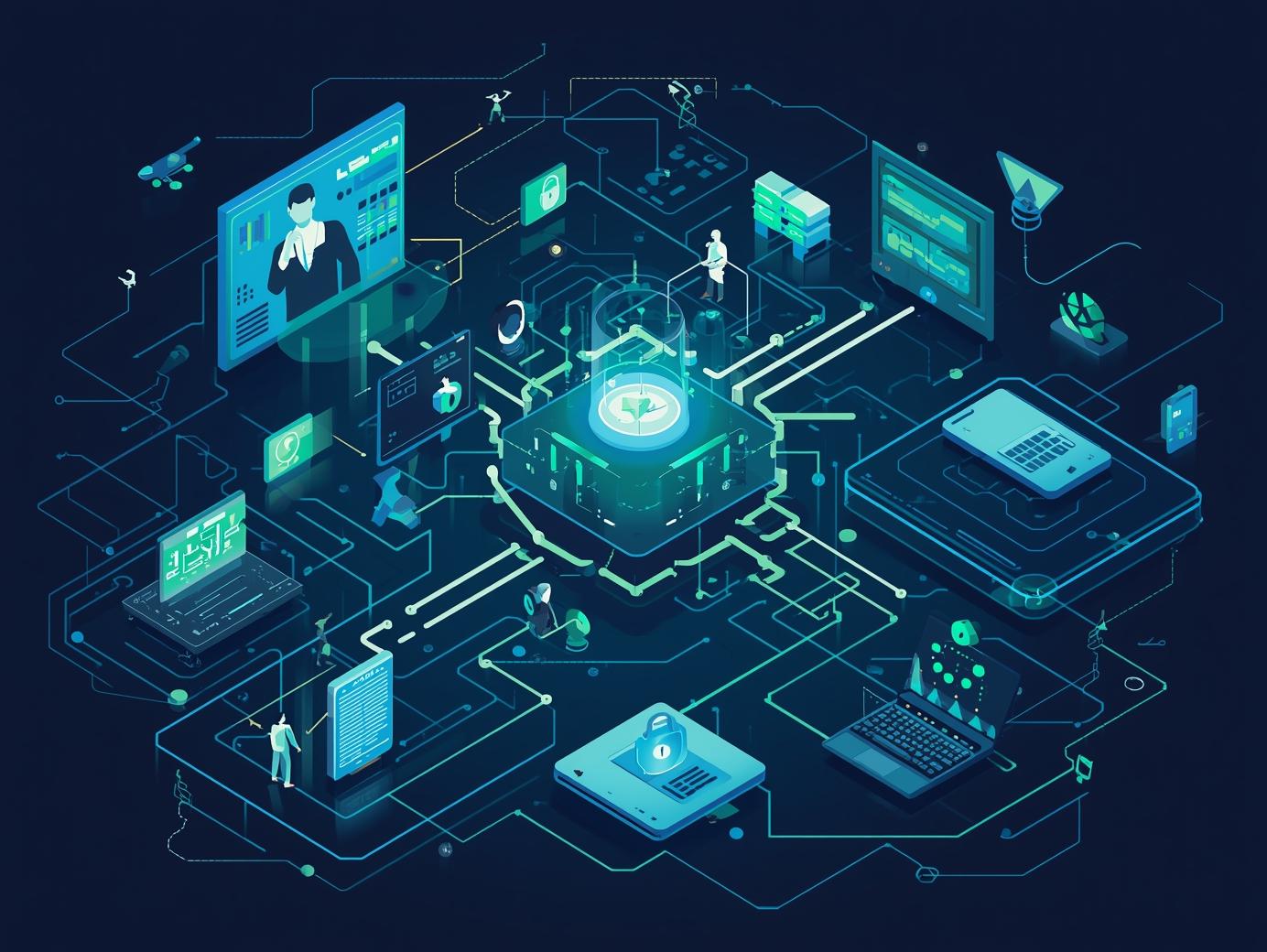
Key Security Pillars for Telemedicine Platforms
To build a secure telemedicine ecosystem, organizations must focus on these five core pillars.
1. Securing Telemedicine Video Platforms
Video consultations are the heart of telemedicine — and also one of the biggest risk areas.
Best Practices for Video Platform Security
-
End-to-End Encryption (E2EE) for all video and audio streams
-
Secure authentication for doctors and patients (MFA, biometrics)
-
Session access control with unique meeting IDs and waiting rooms
-
No local recording by default unless explicitly authorized
-
Regular penetration testing of video conferencing systems
-
Zero-trust network access for clinicians working remotely
Choosing a HIPAA-compliant video conferencing platform is essential for healthcare organizations.
2. Protecting Patient Data & Digital Health Records
Patient data is one of the most valuable assets in the cybercrime market.
Data Security Best Practices
-
Data encryption at rest and in transit
-
Role-based access control (RBAC) to limit data exposure
-
Tokenization and anonymization of sensitive fields
-
Secure cloud storage with healthcare-grade compliance
-
Regular vulnerability assessments and audits
Organizations should also implement Data Loss Prevention (DLP) tools to prevent accidental or malicious data leaks.
3. Identity & Access Management for Telehealth
Strong identity management prevents unauthorized access and insider threats.
IAM Strategies for Telemedicine
-
Multi-factor authentication (MFA) for all staff
-
Single Sign-On (SSO) integrated with secure identity providers
-
Privileged Access Management (PAM) for IT admins
-
Continuous user behavior monitoring
-
Automatic session timeouts on clinical systems
This ensures that only authorized professionals access patient information.
4. Cloud Security for Telemedicine Platforms
Most telemedicine platforms run on cloud infrastructure — making cloud security in healthcare a top priority.
Cloud Security Essentials
-
Secure configuration of cloud workloads
-
Continuous monitoring for misconfigurations
-
Encryption of backups and disaster recovery data
-
Regular compliance checks for healthcare regulations
-
Zero-trust access for cloud applications
A well-secured cloud environment ensures scalability without compromising security.
5. Compliance & Regulatory Readiness
Healthcare organizations must meet strict regulatory standards such as:
-
HIPAA (USA)
-
DPDPA (India)
-
GDPR (EU)
-
ISO 27001 for information security management
Compliance Best Practices
-
Regular security risk assessments
-
Audit trails for patient data access
-
Secure consent management systems
-
Incident response and breach notification plans
-
Continuous employee awareness training
Compliance is not just about avoiding penalties — it builds trust and credibility with patients.
Emerging Security Trends in Telemedicine
As threats evolve, so must defense strategies.
Key Trends Shaping Telemedicine Security
-
AI-powered threat detection for abnormal activity
-
Behavioral analytics for fraud prevention
-
Blockchain for medical data integrity
-
Secure remote patient monitoring (RPM) devices
-
Privacy-by-design telehealth platforms
Healthcare cybersecurity is shifting from reactive defense to predictive and proactive security.
How Gigahertz Consultants Helps Secure Telemedicine Platforms
At Gigahertz Consultants, we help healthcare organizations protect their digital healthcare ecosystem with end-to-end cybersecurity solutions for telemedicine.
Our Key Capabilities
-
Telemedicine platform security assessment
-
Secure video conferencing implementation
-
Healthcare data protection & encryption
-
Cloud security for telehealth applications
-
Compliance advisory for HIPAA, DPDPA & ISO 27001
-
OT & IT security integration for hospitals
-
Continuous monitoring & incident response
We ensure your telemedicine services remain secure, compliant, and trusted — enabling you to focus on delivering quality care.
Final Thoughts
Telemedicine is redefining healthcare — but its success depends on strong cybersecurity foundations. From securing video consultations to protecting sensitive patient data, healthcare organizations must treat security as a strategic priority.
By adopting a holistic telemedicine security framework, hospitals, clinics, and digital health providers can confidently deliver care in a connected world — without compromising privacy, safety, or trust.
Ready to Secure Your Telemedicine Platform?
If you’re looking to strengthen your telehealth security posture, Gigahertz Consultants is here to help.
???? Talk to our experts today and build a secure, compliant, and future-ready telemedicine ecosystem.
Category: Telemedicine